
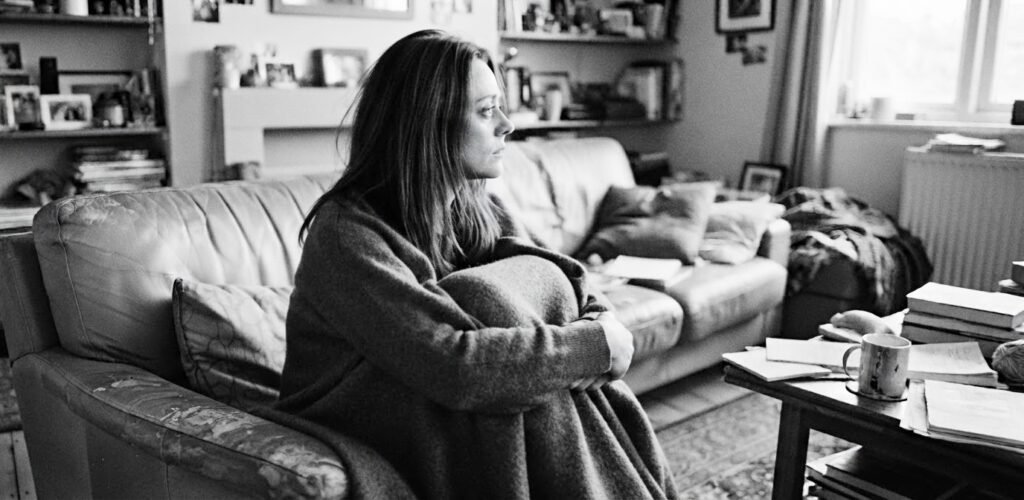
Some wounds are caused not only by what happened, but by what did not happen when it should have.
No one stepped in.
No one noticed.
No one stopped it.
No one fully believed it.
No one defended her.
No one made safety real.
For many women, this is one of trauma’s deepest injuries: not being protected.
What happened may have been painful enough on its own. But there is often another layer of pain that is harder to name. It comes from being left exposed emotionally, physically, relationally or spiritually when care, action and protection should have been present. The harm was real. But so was the absence. So was the silence. So was the failure of other people to do what was needed.
Protection matters because it tells a person something vital. It says: you matter. What is happening to you matters. You should not have to carry this alone. Someone sees the danger. Someone is willing to stand between you and harm.
When that protection is missing, something profound can be disrupted in the mind, the body and the sense of self.
A woman may begin to believe that she must always be the one to save herself. She may stop expecting help. She may learn that vulnerability is dangerous. She may struggle to rely on other people, even when support is offered with kindness. She may carry anger towards those who should have acted but did not. She may also carry shame, without realising that part of her pain is rooted not only in what was done to her, but in the abandonment that happened around the harm.
That distinction matters. Trauma is not always only the event. Sometimes it is also the lack of response. The lack of intervention. The lack of comfort. The lack of safety. The feeling that what happened was somehow survivable only because she learned to endure what no one should have asked her to endure.
This kind of wound often begins early, but it can happen at any age.
A child who is not protected may learn to become watchful, quiet, pleasing or invisible. She may learn that speaking up changes nothing, or makes things worse. She may become highly sensitive to danger, constantly scanning the moods and behaviour of other people. She may look capable from the outside while living with fear underneath.
A teenager who is not defended may learn a different set of survival patterns. She may become guarded, angry, dismissive of her own needs, reluctant to trust and determined never to look weak. She may long for someone to notice her distress while at the same time believing that needing help is foolish.
An adult woman who is betrayed by people who should have stood beside her may learn yet another version of the same painful truth: I was left alone in something I should not have had to face alone.
Whether the wound began in childhood, adolescence or adulthood, the message can sink deep. It can become an internal expectation that in moments of danger, pain or vulnerability, no one is coming.
That belief can shape a life in quiet but powerful ways.
It may appear as hyper-independence. A woman may become exceptionally capable, organised and prepared. She may take pride in needing very little from anyone. Other people may admire her strength without seeing the pain beneath it. But often hyper-independence is not simply confidence. It can be a form of protection. It can be the nervous system’s answer to disappointment. If no one protected me before, then I must make sure I never need protection again.
It may also appear as difficulty trusting. Even safe people can feel uncertain when trust has been broken in the past. The issue is not always whether someone seems kind. The deeper question may be whether they will stay kind when it matters, whether they will act when action is costly, and whether they will remain present when things become difficult. For someone who was left exposed before, trust is not only about affection. It is about protection, steadiness and evidence.
This wound can also create a fear of asking for help. Many women who were not protected find themselves hesitating even in moments of genuine need. They may minimise their distress, talk themselves out of reaching out, or feel embarrassed by their own wish to be supported. Sometimes they have learned that asking changes nothing. Sometimes they have learned that asking makes them a burden. Sometimes they have learned that the disappointment of not being helped hurts more than struggling alone.
A strong instinct to prepare for everything personally can grow from this same place. If safety once depended on being alert, self-sufficient and ready, then letting go of control may feel impossible. Rest can feel unsafe. Dependence can feel reckless. Receiving care can feel unfamiliar enough to trigger suspicion rather than comfort.
There is often grief inside these patterns. What looks like control may partly be grief. What looks like guardedness may partly be memory. What looks like over-caution may be the body remembering what it felt like to be left unshielded. What looks like resistance may be a heart that learned not to risk that kind of exposure again without strong evidence that safety is real.
This does not mean that every wall is healthy. Some patterns that once protected a woman can later become limiting or exhausting. But it does mean that many of those walls make sense. They did not appear without reason. They were built in response to something. They were shaped by necessity. They often formed when there were too few other ways to survive.
That is important to say clearly, because women who were not protected often judge themselves harshly for how fiercely they now guard their lives. They may call themselves controlling, distant, suspicious, too independent, too sensitive or too hard to reach. They may compare themselves with people who seem naturally trusting and wonder what is wrong with them.
But there is a difference between dysfunction and adaptation. There is a difference between being difficult and being shaped by danger. There is a difference between failing to trust and having learned, through painful experience, that trust without evidence can be costly.
When protection has been absent, the body and mind do what they can to reduce the chances of future harm. These adaptations may not always serve a woman forever, but they deserve understanding before they are judged. Compassion is often the beginning of change.
Healing from the trauma of not being protected usually involves grief that is difficult to name. It is grief for the safety that should have existed. Grief for the adult who should have noticed. Grief for the people who knew and did nothing. Grief for the friend, partner, family member, leader or professional who failed to act. Grief for the trust that was broken not only by harm, but by the silence that surrounded it.
This grief can be especially painful because it concerns absence. It is grief for what was missing. And absence can be harder to explain than events. A woman may know she is hurting, but struggle to describe why. She may think, nothing happened in that moment, but that may be exactly part of the injury. Nothing happened when something should have happened. No one came. No one intervened. No one took the threat seriously enough. No one created safety.
There may also be anger.
Anger is often an essential part of healing from this kind of wound, though many women have been taught to fear their own anger or dismiss it as unhelpful. Yet anger can be morally clear. It can be the part of the self that still recognises that what happened was wrong. It can be the voice that says: you should have protected me. You should have believed me. You should not have left me there alone.
That anger is not trivial. It is not an overreaction. It is often truth speaking after a long silence.
For some women, this anger has never had room to exist. They learned to stay pleasant, composed or grateful. They learned that naming failure in others would lead to punishment, withdrawal or further abandonment. So the anger was turned inward instead. It became self-blame, self-criticism, over-responsibility or shame.
This is one reason the wound of not being protected can become so confusing. A woman may be furious at those who failed her, but feel the anger only as tension, numbness, anxiety, exhaustion or relentless self-judgement. Part of healing may involve slowly bringing the truth back into focus: the people who should have acted did not act. The responsibility for that failure does not belong to the one who was harmed.
Healing does not erase the fact that protection was missing. It does not rewrite the past or make the absence acceptable. But healing can help a woman build, over time, some of what was not there before.
She can learn to protect herself without shame.
She can become more discerning about who is safe.
She can recognise environments in which care is genuine and consistent.
She can begin to accept support that is steady rather than performative.
She can notice when her body is preparing for abandonment and respond with compassion rather than criticism.
She can grieve what should have been present.
She can stop blaming herself for the ache of having needed protection and not receiving it.
This healing is often slow. It may involve therapy, trustworthy relationships, spiritual repair, deeper self-understanding, or simply repeated experiences of being treated with care. For some women, healing begins the first time someone listens without minimising. For others, it begins when they themselves finally name what was missing and stop dismissing its impact.
It can also involve learning that protection is not the same as control. Healthy protection does not dominate, silence or possess. It does not make someone smaller. Real protection honours dignity. It listens. It responds. It takes harm seriously. It acts with courage when courage is required. It creates conditions in which vulnerability is not punished.
Over time, a woman who was not protected may begin to discover that safety is not a fantasy. It can exist in certain people, certain relationships and certain spaces. Not everyone will be trustworthy. Not every environment will be safe. But healing often includes learning that support is possible, and that needing it was never the problem.
If this is part of your story, let this be said plainly.
You should not have had to endure what you endured alone.
The lack of protection mattered.
The silence mattered.
The abandonment mattered.
If part of you still aches when you think about what was missing, that does not make you weak. It does not make you dramatic. It does not mean you are living in the past. It may mean that a truthful part of you still knows that something essential should have been there and was not.
That ache is not foolish.
That grief is not excessive.
That anger is not meaningless.
That guardedness did not come from nowhere.
The woman who learned to protect herself at all costs is not the problem. Very often, she is the evidence of what it took to survive.
And she deserves more than admiration for her strength. She deserves the deeper recognition that she should have been protected in the first place.
Written By Steve De’Lano Garcia