
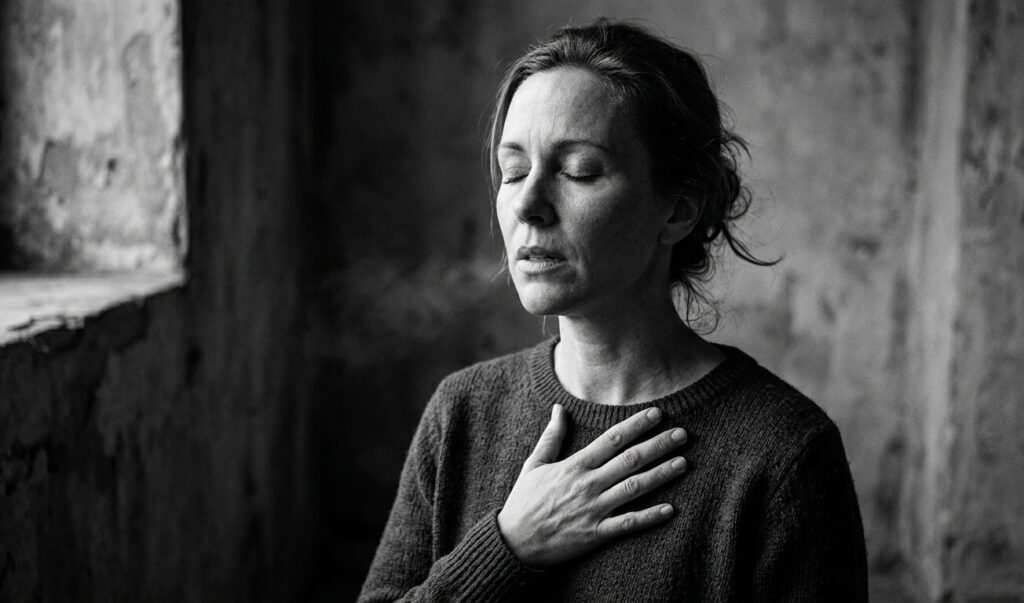
The Healing Power of Being Believed
There are few experiences more painful than speaking honestly about harm and being met with doubt.
For many women, the original wound is only part of the suffering. What follows can become another injury altogether. A woman may gather the courage to name what happened, only to be dismissed, questioned, corrected, blamed, or quietly ignored. Instead of finding care, she finds resistance. Instead of relief, she finds herself carrying an even heavier burden.
This is one of the cruellest parts of trauma: the harm does not always end when the event is over. Sometimes it continues in the responses of other people.
To be believed, then, is not a small comfort. It can be a turning point. It can be part of what makes healing possible.
When a woman is believed, something inside her often begins to settle. She may have spent months or years explaining herself, second-guessing her memory, rehearsing what to say, or bracing for disbelief. She may have learned to tell her story in a way that sounds calm enough, clear enough, and acceptable enough to others. She may have felt pressure to provide details, evidence, and certainty far beyond what should ever be required of a hurting person.
Believing interrupts that painful pattern.
It makes room for breath.
It eases the exhausting need to defend every part of what she knows happened. It softens the isolation of carrying a truth that others refused to hold with her. It weakens the shame that often grows when pain is met with silence or suspicion. In that moment, she is no longer alone with her reality.
There is deep healing in hearing words such as: I believe you. That mattered. What happened to you was wrong. You did not deserve it.
These words can seem simple from the outside. But to someone who has been doubted, minimised, or blamed, they can be life-giving. They restore a basic sense of human dignity. They communicate that her pain does not need to be argued into existence. They remind her that care is not something she must earn by being perfectly articulate, perfectly consistent, or perfectly composed.
This matters because trauma often damages more than a sense of safety. It can also damage self-trust.
Many women come away from harmful experiences questioning their own instincts. They may wonder if they were too sensitive, too emotional, too confused, or too affected. They may replay conversations and events over and over, trying to decide whether what they felt was real. If other people respond with denial or minimisation, that inner confusion can deepen. A woman may begin to doubt not only what happened, but also her right to name it honestly.
That is why being believed can be so powerful. It helps rebuild what trauma and dismissal tried to take away. It strengthens a woman’s trust in her own memory, perception, and emotional reality. It reminds her that truth still carries weight, even when others have tried to make it lighter, smaller, or easier to ignore.
Being believed also helps separate responsibility from shame.
So many women are conditioned to look for ways to explain harm as their own fault. They may ask whether they should have spoken sooner, resisted more clearly, seen the warning signs earlier, or handled the aftermath differently. This kind of self-blame can become deeply rooted, especially when other people reinforce it. But belief pushes back against that lie. It says: the harm was real, and your pain makes sense. It says: your suffering is not evidence of weakness. It says: another person’s wrongdoing is not your burden to carry as guilt.
Of course, not everyone responds well to truth.
Some people are deeply invested in preserving their comfort. Some do not want to reconsider their image of a person, family, institution, or community. Some fear conflict more than they value honesty. Some simply do not have the emotional maturity or trauma awareness to sit with another person’s pain without trying to explain it away.
When this happens, it can be devastating. The woman who dared to speak may feel wounded all over again. She may feel exposed, foolish, or abandoned. She may wonder whether telling the truth was a mistake. She may retreat into silence, not because the truth changed, but because the cost of telling it became too high.
That response from others is painful, but it is important to say clearly: their failure does not make her truth less true.
A poor response does not erase reality. Denial does not undo harm. Discomfort does not invalidate pain. Silence does not mean the wound did not happen.
Truth remains true, even when it is unwelcome.
This is why safe people matter so much. Wise people matter. Compassionate people matter. Trauma-informed people matter. Healing is not only an internal process. It is also shaped by relationships. When a woman is met by people who know how to listen carefully, respond gently, and honour her experience without interrogation or performance, healing often becomes more possible.
Safe people do not rush to fix the story. They do not demand polished language. They do not centre their own discomfort. They do not ask a wounded person to make the pain easier to hear. Instead, they offer steadiness. They listen without suspicion. They respond without blame. They understand that presence can be more healing than analysis.
To be believed by even one safe person can make an enormous difference.
It can become a foundation under someone who has felt unsteady for a long time. It can help calm the nervous system. It can reduce the aloneness that trauma so often creates. It can open the door to further healing, whether through counselling, supportive relationships, spiritual care, or simply the slow rebuilding of a life that feels like her own again.
Belief does not erase what happened. It does not remove grief, fear, anger, or loss. But it can help create the conditions in which healing is possible. It tells the truth where truth has been denied. It offers connection where there has been isolation. It brings dignity back to a place where shame tried to settle.
Sometimes that is where healing begins.
Not with a perfect plan.
Not with a dramatic breakthrough.
Not even with full understanding.
Sometimes it begins with a person who is willing to say, with sincerity and care: I believe you.
For many women, those words reach places that argument never could. They meet the part that has been carrying too much for too long. They loosen the grip of self-doubt. They make space for rest. They remind her that she is not invisible, not irrational, and not alone.
To be believed is not everything. But it is nothing.
It can be the first return to safety.
The first crack in the wall of shame.
The first sign that truth does not have to be carried alone.
And sometimes, that is powerful enough to begin changing everything.
Written by Steve De’lano Garcia